
- Greenwich soil contains high acid levels across many coastal sections.
- White oak and red maple thrive under local weather patterns.
- Wide holes help young roots expand through tough clay.
- Keep mulch away from tree bark to prevent fungal rot.
- Deep soaking keeps roots strong through hot summer heat.
Planting fresh trees on your property creates natural privacy and raises overall home value. Green shade lowers daily utility expenses and turns your grass into a quiet retreat.
Young root networks need protection during their first months in the ground. Hard clay soil holds back root expansion, while severe coastal storms snap soft branches. Rely on our simple rules to plant resilient trees that survive local weather patterns.
Why Should You Plant Native Trees in Greenwich?
Native trees handle local weather patterns with ease because they adapted to regional climate shifts long ago. Our cold winters bring heavy ice, while hot summer weeks dry out upper topsoil. Native choices tolerate these shifts without suffering structural stress.
Our local wildlife relies on native tree varieties for food and shelter. White oak trees feed songbirds and helpful insects. Dogwood trees offer safe shelter for small yard animals. When you plant native options, you protect nature right in your own backyard.
Established native plants need far less manual watering after their initial growth period. Natural rainfall covers most of their needs, which saves you weekend work and keeps your utility bills low.
How Do You Select the Right Spot on Your Yard?
Choosing the right location dictates the long-term health and growth of your landscape. A small sapling expands over time as its main trunk thickens and its upper branches spread out toward direct sunlight.
Measure the total distance away from your main home walls before you dig. Keep at least twenty feet of open space between tall tree choices and your roofline. High branches easily scrape shingles during coastal storms, while deep root structures can push against paved driveways.
Look straight up above your chosen spot to locate overhead utility lines. High power lines block upward branch growth, creating dangerous hazards over time. Contact local utility teams to mark underground pipes and cables before your project starts.
Observe daily sun paths across your lawn to meet specific lighting needs. Full sun species require six hours of direct light, while shade options prefer indirect light. Match your tree choice directly with the real conditions of your property.
Soil Preparation Steps for Greenwich Yards
Soil content changes across different Greenwich neighborhoods. Coastal properties often feature sandy earth with high salt levels, while inland yards contain dense clay mixed with heavy rock deposits. Testing your soil profile upfront prevents costly planting errors.
Buy a simple soil test kit from a local home center to check site conditions. Collect a soil sample four inches below the lawn surface and mix it with clean water inside the test container. Compare your final reading against standard pH charts to determine what soil fixes you need.
- Acidic soil: Spread lime to correct acidic soil balance.
- Dense clay soil: Put rich compost inside your open hole.
- Sandy soil: Mix in peat moss to store groundwater.
Clear drainage keeps root bases safe underground. Dig a twelve-inch test hole, fill the hole with water, and watch the water soak away. Slow movement rots fragile roots, so our team uses organic matter to break up heavy clay.
Step-by-Step Planting Process
Careful installation work protects vulnerable root systems during transfer into your lawn. Follow these steps to position your tree correctly within your landscape.
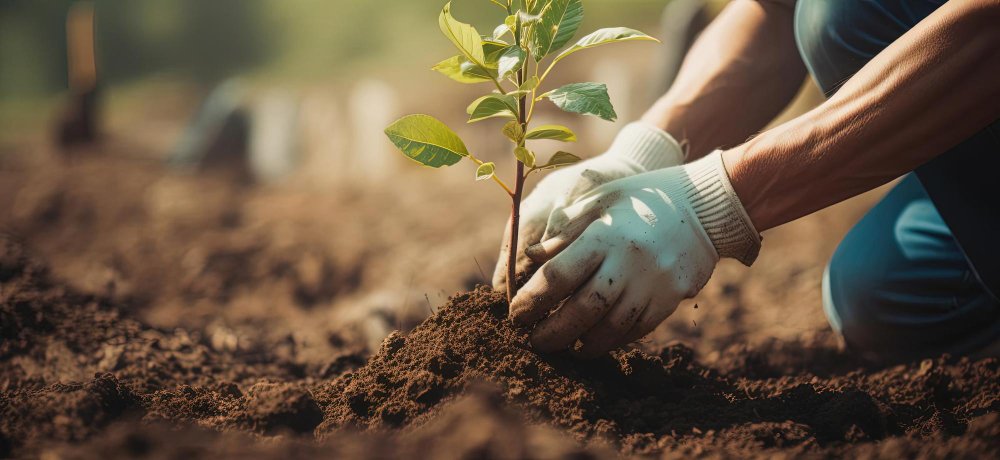
- Dig the hole: Prepare an opening two times wider than your root ball while keeping total depth equal to root ball height.
- Examine root structure: Remove plastic containers carefully, then trim any circling roots using sharp hand shears to help roots spread into open soil.
- Set the tree: Center the trunk inside your open hole while keeping the root collar perfectly level with your surrounding soil line.
- Fill the hole: Backfill your opening using native soil, pressing down firmly around the base to eliminate air pockets.
- Water the base: Apply five gallons of water directly over the root zone to settle loose topsoil.
For large structural projects, hire professional tree planting teams to manage heavy lifting safely.
Care Rules for Year One
Young trees need constant care while root networks take hold in fresh earth. Proper water application stays your main duty through the first season.
Water your tree two times each week with a slow hose at the trunk base. Deep soakings force roots to grow down into deep ground. Surface soakings leave roots high where sun heat dries them out fast.
Spread wood mulch over the root zone to hold water levels steady. Lay your mulch layer two inches deep with a three-inch space around the main bark. Correct mulch depth retains water and blocks aggressive weeds.
Stake young trunks if your property sits in a high wind zone. Secure the tree using flexible straps attached low on the trunk, then remove all support hardware after twelve months. Allowing trunks to sway slightly in the wind builds natural wood strength.
When to Call Local Tree Experts
Heavy landscape updates demand specialized tools and trucks. Large tree specimens weigh hundreds of pounds, which creates high risks during manual labor. Experienced arborists check ground depth, break up underground rocks, and secure town permits before work begins near streets.
Evergreen privacy screens also need extra care during placement. Setting tall trees involves crane trucks and root balance to ensure high survival rates. Expert work saves your personal time and secures your property value.
Trust Our Two Decades of Greenwich Experience
Pantoja’s Property Care LLC has built outdoor masterpieces for over two decades. As a locally-owned enterprise, our licensed contractors and experienced landscapers handle home yards and commercial grounds alike. We bring local pride and proper heavy tools to every job site.
Choose our tree planting company in Greenwich, CT for seamless property updates. Our team handles complete tree installation tasks safely, and our residential tree planting options simplify multi-tree plans. We protect your investment against tough coastal storms and tight soil conditions.
Are you ready to start your next landscape update? Call Pantoja’s Property Care LLC today to schedule your yard consultation.
Frequently Asked Questions
What climate conditions help fresh trees take root?
Cool air and warm soil create ideal conditions in spring and fall. These seasons allow quick root growth without heavy water loss.
How do you test if your new tree gets enough water?
Check soil moisture four inches down near the root base. Water your tree two times every week if the topsoil feels dry.
Do municipal rules restrict where you plant on your lawn?
Town rules do not limit planting inside your private boundaries. Check town rules only when you plant near public rights-of-way.
What happens if you dig a hole too narrow?
Tight holes force roots to circle the root ball. Make your hole two times wider than the root base, so roots spread out.
When should you hire professional crews for installation work?
Call professional crews for large mature specimens or multi-tree screen projects. Heavy trees require special cranes and team safety tools.